The Reality of Snake Bites
Every year, 7,000 to 8,000 people in the U.S. are bitten by venomous snakes, with only a handful of fatalities thanks to timely medical care. However, in lower-income countries, snakebite envenoming remains a major public health threat.
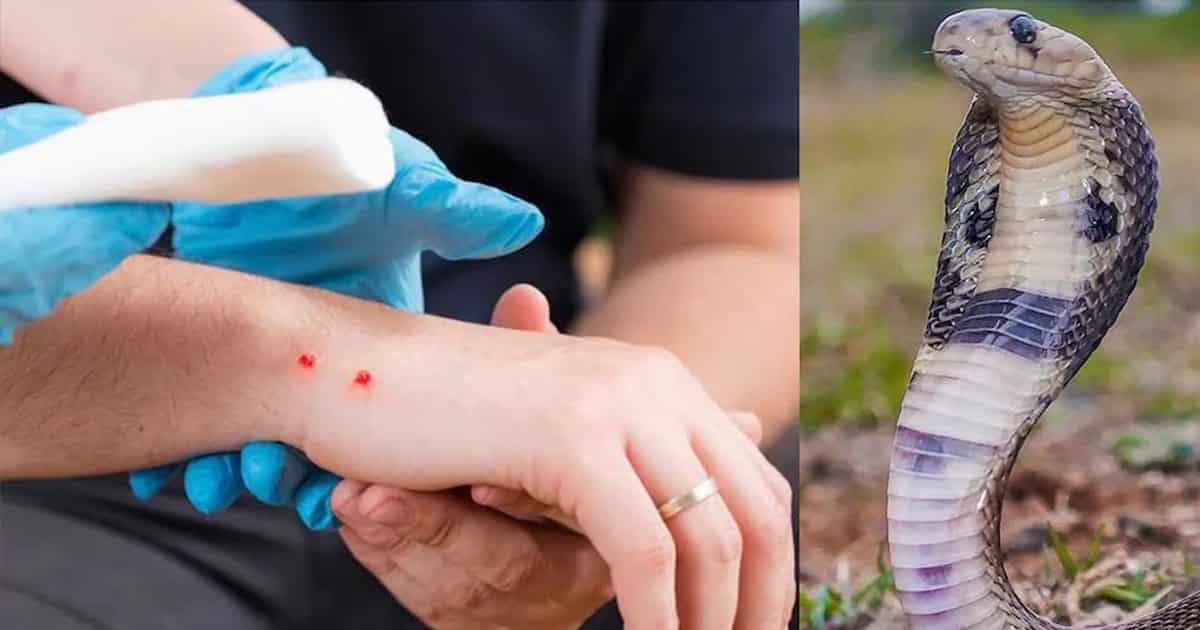
Only about 15% of snakes globally are venomous, with roughly 20% in the U.S., including rattlesnakes, coral snakes, cottonmouths, and copperheads. Most venomous snakes have distinct features: slit-like pupils, triangular heads, and fangs — except for the coral snake, which has round pupils and a blunt head.
Essential Steps to Take After a Bite
- Get to Safety and Stay Calm
- Move away from the snake immediately.
- Don’t try to catch or kill it.
- Stay calm to slow your heart rate and reduce the venom’s spread.
- Remove any tight clothing or jewelry from the affected area.
- Note the Snake’s Description (If Safe)
- If you can, observe the snake’s size, shape, and color.
- Take a photo from a distance if possible — this can aid medical treatment.
- Keep the Affected Limb Immobilized
- Avoid moving the bitten area.
- Use a splint to keep it still and keep it below heart level.
- Get Medical Help Immediately
- Call emergency services or go to the nearest hospital.
- If alone, signal for help and move carefully while minimizing limb movement.
What Not to Do:
Avoid popular myths that can worsen the injury:
- Don’t cut the wound or attempt to suck out the venom.
- Don’t use ice or apply a tourniquet.
- Avoid alcohol, caffeine, or over-the-counter painkillers like ibuprofen or aspirin.
What Happens at the Hospital
Medical professionals will assess the bite, administer antivenom if needed, and provide wound care and pain relief. Monitor for symptoms like swelling, redness, or increased pain.
Prevention Tips
- Wear protective gear when hiking or walking in snake-prone areas.
- Use flashlights at night.
- Don’t provoke or attempt to handle snakes.
- Stay alert in grassy or rocky areas.
Being prepared and informed is your best defense. In the event of a bite, staying calm and seeking help quickly are critical steps that could save your life.
