
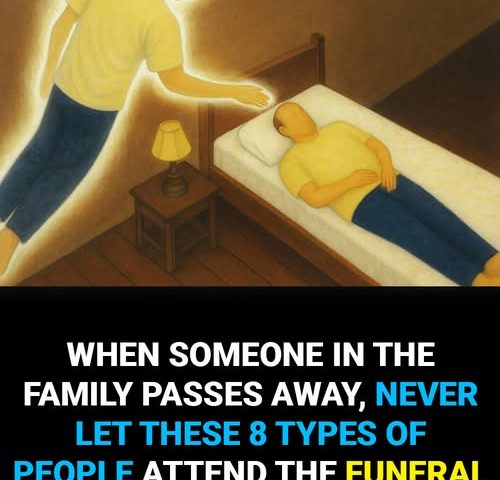
When a loved one passes away, protecting the dignity of the funeral — and the emotional well-being of the grieving family — becomes a priority.
In some cases, it’s entirely appropriate to not allow certain individuals to attend the service.
Here are the kinds of people you might consider excluding from a funeral, and why:

1. People Who Caused Harm to the Deceased
Anyone who a:b:used, neglected, betrayed, or traumatized the deceased — emotionally, physically, or otherwise — should not be given the space to “pay respects.”
Their presence can feel hypocritical or even re-traumatizing to the family.
2. Toxic or Abusive Family Members
Relatives who are known to cause drama, manipulate, or have a history of ab:u:se toward your family.
Their presence can turn a solemn gathering into a source of distress.
3. Individuals Who Create Conflict
Those who might:
Start arguments
Bring up old family issues
Attempt to control or disrupt the service
Funerals should be peaceful, not a battleground for personal grudges.
4. People Attending for the Wrong Reasons
Anyone coming out of:
Curiosity
Gossip
Social appearances
Self-promotion
These people don’t bring comfort; they exploit grief for their own motives.
5. Ex-partners or Estranged Friends (Case-by-case)
If their presence would cause discomfort or pain to the immediate family (especially spouses, children, or parents), it’s okay to kindly ask them not to attend — or to come to a separate memorial.
Example: An ex-spouse showing up uninvited when their presence would upset the widow/widower.
6. Anyone Under the Influence
People who are known to show up intoxicated or behave erratically under alcohol or drugs can ruin a sacred event.
If someone has a history of this behavior, it’s reasonable to proactively ask them not to come.
7. Attention-Seekers
Some people use funerals to draw attention to themselves — with dramatic displays of grief, stories that shift focus, or inappropriate comments.
If you know someone like this, it’s okay to protect the event from disruption.
8. People Who Disrespected the Family After the De:ath
If someone has shown disrespect or insensitivity in the wake of the d:e:ath (e.g., cruel social media posts, family fights, legal disputes), they’ve already shown they may not honor the space.
✅ What You Can Do to Enforce This
Make your wishes clear in advance: Inform the funeral director, pastor, or event coordinator if someone is not welcome.
Have someone at the door: A trusted friend or relative can discreetly handle any unexpected visitors.
Choose a private funeral: You don’t have to host a public service. Keeping it invitation-only is totally appropriate.
